TNA Blocks Talent: This Isn’t About “Partner Conflicts”, It’s About Control

When wrestling companies start using vague language, it’s usually doing a lot more work than it seems.
“TNA wrestlers were pulled due to partner conflicts.” That’s the official line, but it’s not the whole story.
TNA Wrestling pulled multiple contracted talents from independent appearances, specifically from matches involving All Elite Wrestling performers. Not random bookings. Not scheduling issue. Specific matches.
The most notable casualties make that clear.
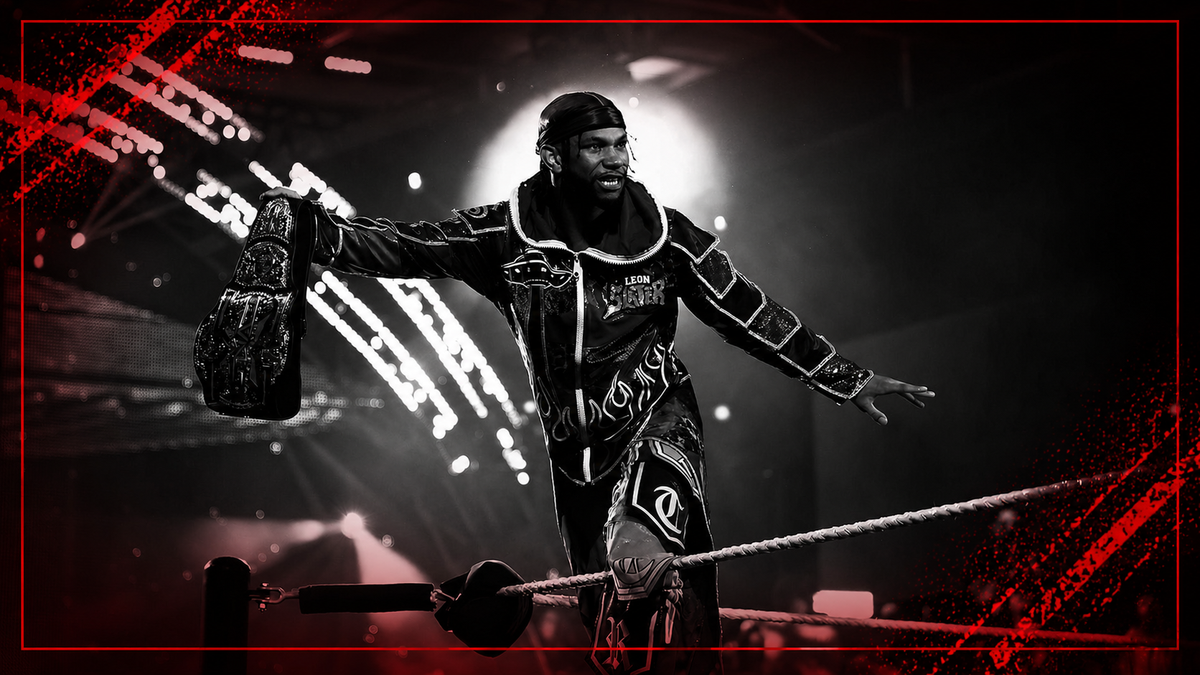
Leon Slater vs Ricochet - gone.
Nic Nemeth vs MJF - wiped.
These aren’t obscure pairings. They are the kind of cross-promotional matches that exist almost entirely to generate buzz. The exact kind of thing independent wrestling thrives on. Which is why their removal feels less like coincidence and more like intent.
According to Dave Meltzer on the Wrestling Observer Radio, those close to the situation believe WWE forced TNA’s hand. Not suggested. Forced.
If that’s true - and even the perception of it matters - then this stops being about TNA entirely. It becomes about control.
WWE’s relationship with the wider wrestling ecosystem has always been complicated. For years, the company positioned itself as separate from everything else - not just the biggest, but fundamentally different. AEW changed that.
For the first time in decades, WWE wasn’t just competing with the past or with itself. It had a direct, visible alternative operating at scale. Ever since, the response has been (mostly) subtle - but consistent. Not outright hostility. Just containment.
WWE now holds influence over TNA, and that influence is being used to limit interaction with AEW talent. This tells you how seriously that competition is being taken. This isn’t about protecting TNA, it’s about restricting access.
Independent wrestling has always functioned as a neutral ground. A place where boundaries blur, where talent from different promotions can intersect without corporate interference. That’s part of what makes it valuable. Take that away, and something shifts.
When certain matches can’t happen - not because they don’t make sense, but because they’re not allowed to - you’re no longer just shaping your own product. You’re shaping the space around it. That’s the part that is worth paying attention to.
WWE doesn’t need to openly acknowledge AEW as a threat for its actions to suggest otherwise. Moves like this do that quietly and deliberately.
If AEW wasn’t a factor, none of this would matter. Those matches would go ahead. Those appearances would happen. No statements would be needed. Instead, they were stopped. And the explanation given doesn’t really explain anything at all.
Which leaves a much simpler question behind it. Not: why were these matches cancelled? But: Who benefits from them not happening?