Darby Allin’s Shock Win: The Moment Worked - The Match Didn’t

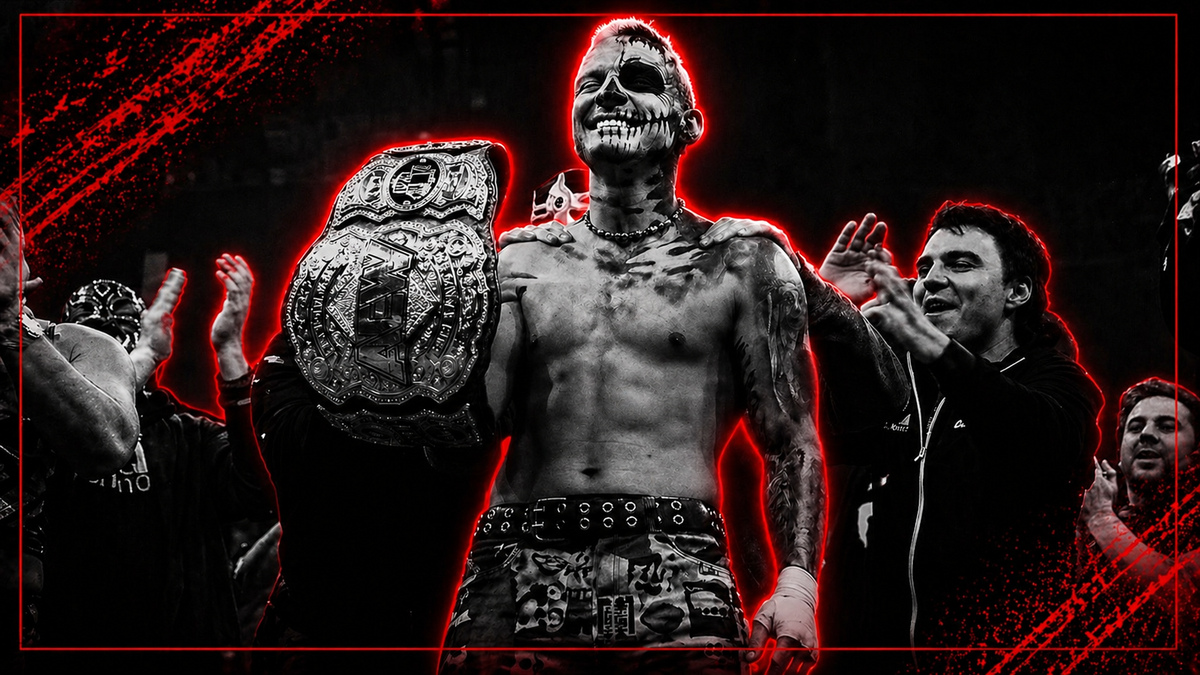
When Darby Allin won the AEW World Championship on last night’s episode of Dynamite, the reaction in the arena was immediate. Loud, emotional, unquestioned. The reaction online was anything but.
This issue being discussed online isn’t that Darby won, it’s how it happened.
The setup was clear. MJF opened the show insisting he wasn’t prepared, that the match shouldn’t happen, that he would take legal action if it did. He framed the entire situation as illegitimate before it even began. Darby responded differently. Not with control, but with conviction - a promo built around his journey, his identity, and the idea that whether he succeeded or failed, it would be on his terms. Backstage, the presence of Sting reinforced that. This wasn’t just a title match. It was a moment.
Then the match was made official. Through Bryan Danielson, a message from Tony Khan: the match happens, or MJF is stripped of the championship. The expectation was obvious. What followed wasn’t.
MJF tried to cheat early, was caught, and never recovered. Darby took control quickly, hit a Scorpion Death Lock, followed with four Coffin Drops, and ended the match in under five minutes with a headlock pin. It wasn’t a struggle. It wasn’t a war. It was decisive. That’s where the divide begins.
Modern wrestling audiences don’t just react to outcomes. They react to structure. In isolation, the result makes sense. Darby Allin winning the AEW World Championship is a moment the company has been building towards for years. It fits his character, his trajectory, and the emotional core of the product. However, the structure around that moment told a different story.
MJF didn’t lose a competitive match. He was overwhelmed. That’s difficult to reconcile when you consider what came before it. Recent defences against Adam Page and Kenny Omega were long, brutal, hard-fought contests - the kind of matches that reinforce the importance of a world championship. Those matches set a standard. This one broke it. When a standard is broken, the audience notices.
To some, it felt like a squash. To others, it felt like the title itself had been diminished - not because Darby won, but because of how easily it happened. There’s also a second concern underneath that: what does this win say about Darby Allin?
While the moment was celebratory, the presentation carries a different implication. Darby didn’t outlast MJF. He didn’t overcome him. He caught him. There’s a difference. One builds a champion, the other creates a result. That distinction matters, especially for a first-time world champion.
Credibility in wrestling isn’t just about winning. It’s about how the win feels.
Yet, there’s another way to look at it. MJF told you exactly what this match was before it even happened. He said he wasn’t ready. He said it wasn’t fair. He said it shouldn’t be happening. Then he lost, quickly. If that’s the story, the structure isn’t a mistake - it’s the point.
Darby didn’t beat MJF at his best. He beat him when the moment demanded it. When the opportunity appeared, and he took it. That doesn’t make the reaction wrong. It explains it.
Wrestling audiences today don’t just want moments. They want those moments to feel earned in a specific way. Through struggle, through escalation, through time. This didn’t have that. It had impact. That’s the tension.
AEW delivered a moment that worked in the arena - emotional, surprising, immediate. Yet in doing so, it broke the structure fans have come to expect from a world title match. Which leaves the real question: Do moments need to follow structure to feel earned, or can breaking that structure be the point?