CM Punk Didn’t Just Cut Another Promo - He Exposed WWE’s Biggest Contradiction
There are moments in wrestling where the line between storyline and reality gets blurred. Then there are moments where that line is deliberately stepped over.
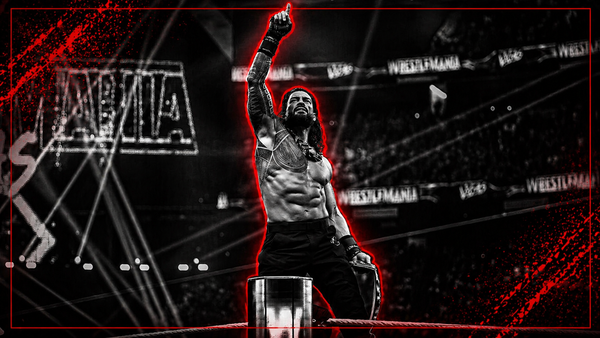
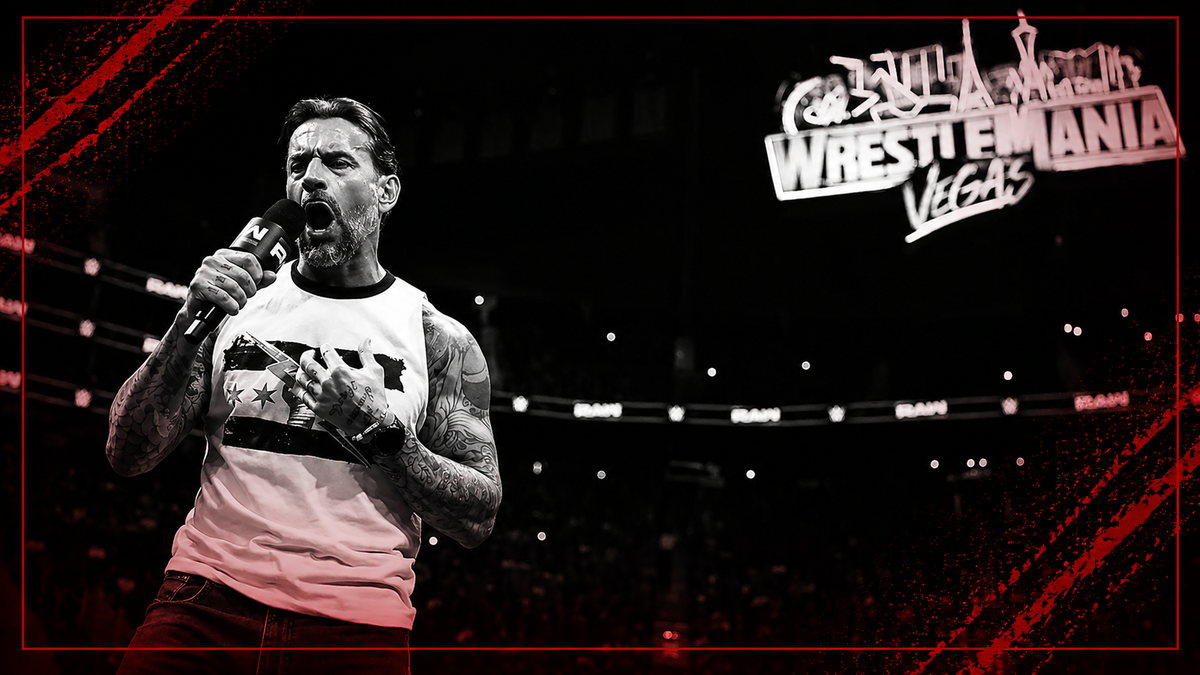
On the April 6th opening segment of Raw, CM Punk didn’t just cut a promo on Roman Reigns to build hype for their clash at WrestleMania - he tore directly into the machinery behind the product itself.
And WWE let him.
At first, it didn’t feel like that kind of segment. Punk opened slowly, sitting-cross legged in a familiar “Pipe Bomb” pose, reflecting on Houston’s wrestling history and invoking names like Harley Race. It was deliberate, almost reverent. The kind of opening that signals control rather than chaos - then the tone shifted.
When Punk turned his attention to Reigns, the promo snapped into something far more immediate. The insults were sharp, personal and rooted in history. Not just the history between the two men, but within WWE’s own past decisions. Referencing the widely criticised 2019 “dog food” storyline wasn’t just a cheap shot. It was a reminder. A reminder of how WWE has presented its top star before.
But that wasn’t the most interesting part of the segment, what followed was.
When Punk addressed Pat McAfee, the promo stopped being about rivalry and started becoming something else entirely. Because this wasn’t framed like a storyline grievance - it felt like frustration. Punk didn’t just question McAfee’s place in the current Wrestlemania build, he questioned why he was there at all.
The implication was clear: this wasn’t a creative decision born out of necessity, but one influenced from outside the usual structure. And that’s where things get uncomfortable.
WWE, particularly in its current era under TKO Group Holdings, has been carefully positioned as a polished and controlled product. One where messaging is tight, and anything resembling internal tension is kept firmly off-screen.
Punk disrupted that. Not subtly, either.
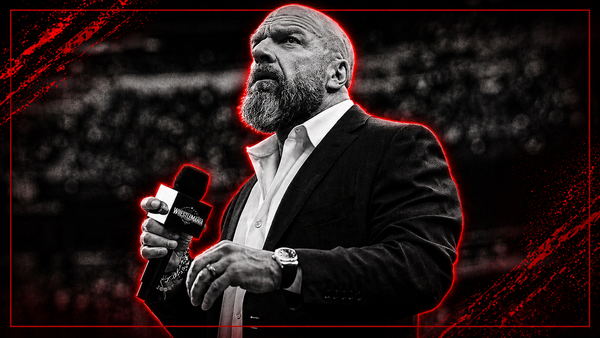
By referencing TKO’s influence (and more pointedly, bringing up ticket pricing) he shifted the conversation away from character and into business. That’s territory WWE rarely acknowledges on its own programming, let alone centred within a major WrestleMania build.
And yet here it was, front and centre, delivered by one of the company’s most trusted voices. That doesn’t happen by accident.
Reports following the show suggest that while the segment had a framework, Punk was given the freedom to speak beyond it, working from bullet points rather than a strict script. If true, it explains why the promo felt different.
Less manufactured. More pointed. More dangerous.
Because when WWE allows even a glimpse of that kind of authenticity, it creates a tension the rest of the product doesn’t always support. You can’t present a tightly controlled, sanitised version of wrestling one week, then suddenly acknowledge real frustrations the next without raising questions.
Questions like: How much of this is storyline? How much of this is real? If it is real, why now?
That’s the contradiction.
WWE wants to feel real when it suits the moment, but controlled when it doesn’t. Punk‘s promo forced both sides of that approach to exist at the same time and in doing so, exposed the seams. Whether that was intentional or not is almost irrelevant. Because now that it’s happened, the audience has seen behind the curtain on these issues - even if only briefly.
Once you do that, it’s very hard to pretend it was never there at all.