AEW Isn’t Just Hot - It’s Aligned

It’s easy to point to one moment and say that’s when things turned. A big match, a title change, a debut. That is not the case for All Elite Wrestling right now.
AEW doesn‘t feel hot because of one thing. It feels hot because everything is moving in the same direction.
For a while, that wasn’t always the case. There pieces were there - the talent, the matches, the moments - but they didn’t always connect. You could see what AEW was, but not always what it was trying to be.
That’s changed.
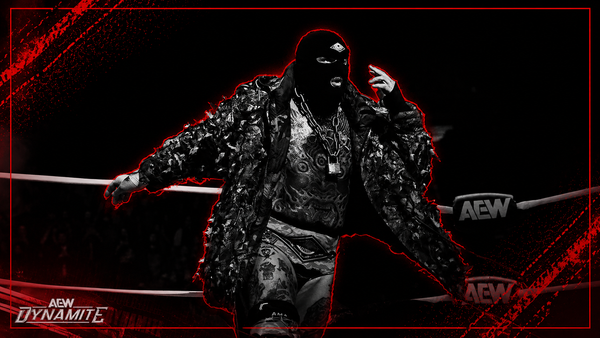
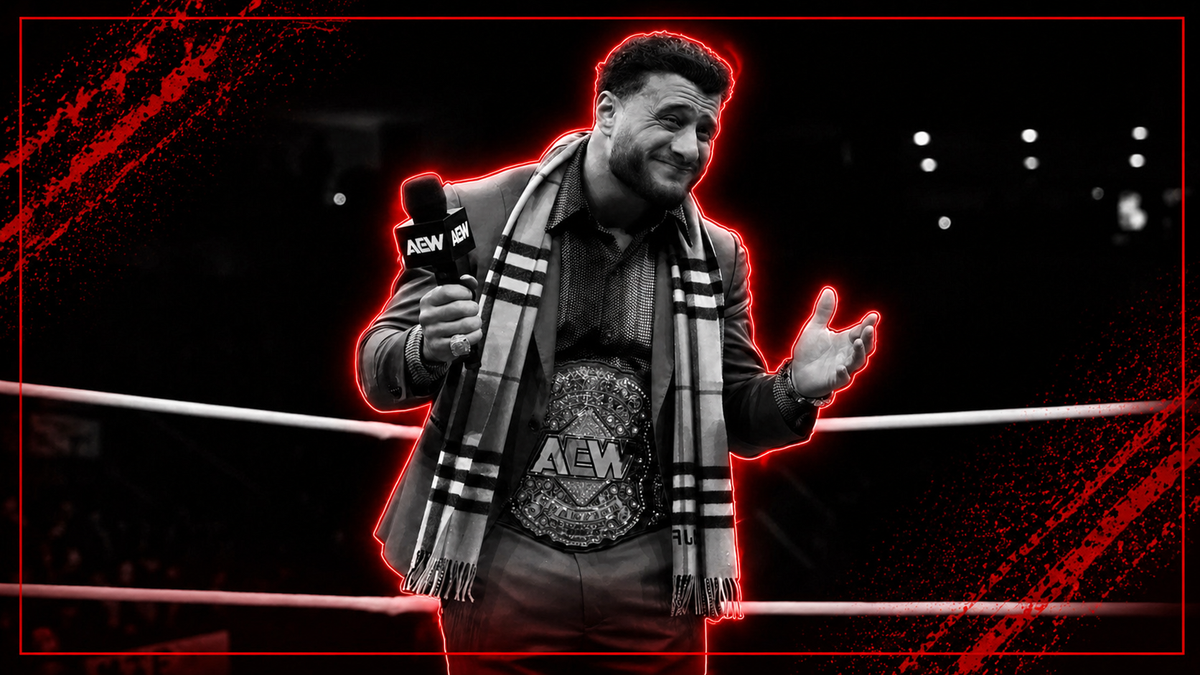
MJF and Kenny Omega’s program is the best place to start. MJF thrives on the control he demands. Every segment he’s featured in feels deliberate, every reaction calculated. He doesn’t just perform, he dictates the tone around him. While Omega still feels like a benchmark. Not just for match quality, but for what AEW can look like at its best - ambitious, intense, and willing to push beyond its own limits.
If we turn to elsewhere on the roster, Jon Moxley exists at the other end of that spectrum. Less spectacle, more grit. A constant presence that grounds the chaos and gives the product weight. Then there’s performers like Swerve Strickland, who feels like momentum personified. Not just rising, but evolving in real time - a talent who looks like he’s actively becoming something bigger each week.
Mainstays like Will Ospreay bring a different energy entirely. Movement, speed, precision - a style that feels almost out of step with the modern wrestling landscape, and better for it. Alongside that, there’s stars like Kazuchika Okada. A presence more than a performer. Someone who doesn’t need to do much to feel important - which, in a business this active, matters more than it sounds.
Individually, they’re impressive. Together, they feel like a system. That system works because it’s built on something AEW has leaned back into recently. A sense of freedom.
There’s a looseness to the product right now - not in structure, but in execution. Matches don’t feel overproduced. Promos don’t feel overly controlled. There’s space for things to breathe, to stretch, to occasionally miss. That space creates something other promotions struggle to replicate. An aura of authenticity.
You can feel when a performer is enjoying what they’re doing. Right now AEW feels like a place where that’s happening again.
That extends to how the product handles stakes. Title changes matter. Not because they’re rare, but because they feel possible. When groups like The Dogs capture the AEW World Trios Titles, it doesn’t feel like a swerve or a change for the sake of it. It feels like a reminder that outcomes aren’t fixed. That uncertainty keeps weekly television alive.
It also helps that AEW doesn’t feel closed off. Its relationships with promotions like New Japan Pro-Wrestling and Consejo Mundial de Lucha Libre give it something most companies don’t have, movement.
Talent comes in. Talent crosses over. Styles clash. The result is a product that doesn’t feel self-contained. It feels connected to a wider wrestling world.
All of this feeds into something that’s harder to define, but easier to feel: Momentum.
Throughout 2026, there’s been a noticeable shift in how AEW presents itself week to week. Stories are cleaner. Matches feel purposeful. Segments connect. It’s not always perfect, but it’s coherent. Coherence goes a long way.
You see it most clearly in the crowds. They’re louder. More reactive. More engaged. Not because they’re being told when to respond, but because they want to respond. That’s the real indicator.
A hot wrestling product isn’t just about what happens in the ring. It’s about how everything around it responds. Right now, AEW feels like it’s being carried forward - by its talent, by its audience, and by a version of itself that feels aligned.